As an Aussie travel expert with over two decades of experience exploring winter wonderlands around the globe, I know firsthand that a skiing holiday can be one of the most exhilarating trips you’ll ever take. But it can also be risky if you’re not prepared. Whether you’re planning your first trip to the slopes or you’re a seasoned skier eyeing the steepest black diamond runs, knowing what not to do is just as important as learning proper technique.
In this guide, I’ll break down everything you should avoid while skiing, with practical advice, Aussie-friendly tips, and trip planning insights to help you make the most of the upcoming ski season.
Contents
- 1 1. Avoid Hitting the Slopes Without Preparation
- 2 2. Avoid Renting the Wrong Ski Boots
- 3 3. Avoid Overestimating Your Skill Level
- 4 4. Avoid Skiing Without Protective Gear
- 5 5. Avoid Ignoring Weather and Trail Conditions
- 6 6. Avoid Neglecting Basic Skiing Etiquette
- 7 7. Avoid Alcohol Before or During Skiing
- 8 8. Avoid Poor Layering Choices
- 9 9. Avoid Ignoring the Importance of Lessons
- 10 10. Avoid Skiing Alone
- 11 Bonus: Plan Your Ski Trip Right
- 12 Final Thoughts
- 13 FAQ
1. Avoid Hitting the Slopes Without Preparation
Before you even think about carving up a slope, take stock of your fitness level. Skiing is a demanding form of physical exercise that requires strong leg muscles, solid core muscles, and good endurance. Without adequate preparation, you’re more prone to muscle fatigue, major injury, or even an acute injury like a ligament tear.
Get in shape for skiing by doing exercises that strengthen your abdominal muscles, thighs, glutes, and lower back. Mix in cardio and some advanced exercises like balance training. The goal? A body that can adapt to the demands of skiing, keeping you upright and agile by improving your awareness of your body in space.
2. Avoid Renting the Wrong Ski Boots
One of the biggest mistakes beginners make is renting or buying ill-fitting ski boots. The wrong boot size or poor boot fit can ruin your day on the mountain, causing blisters, bruised shins, or a lack of control on turns.
Always get your boots fitted by a professional. Ensure your toes can wiggle but your heel stays put. Don’t forget to wear a moisture-wicking base layer under your ski socks to keep your feet warm and dry. A snug ski boot not only enhances comfort but also reduces your risk of injury.
3. Avoid Overestimating Your Skill Level
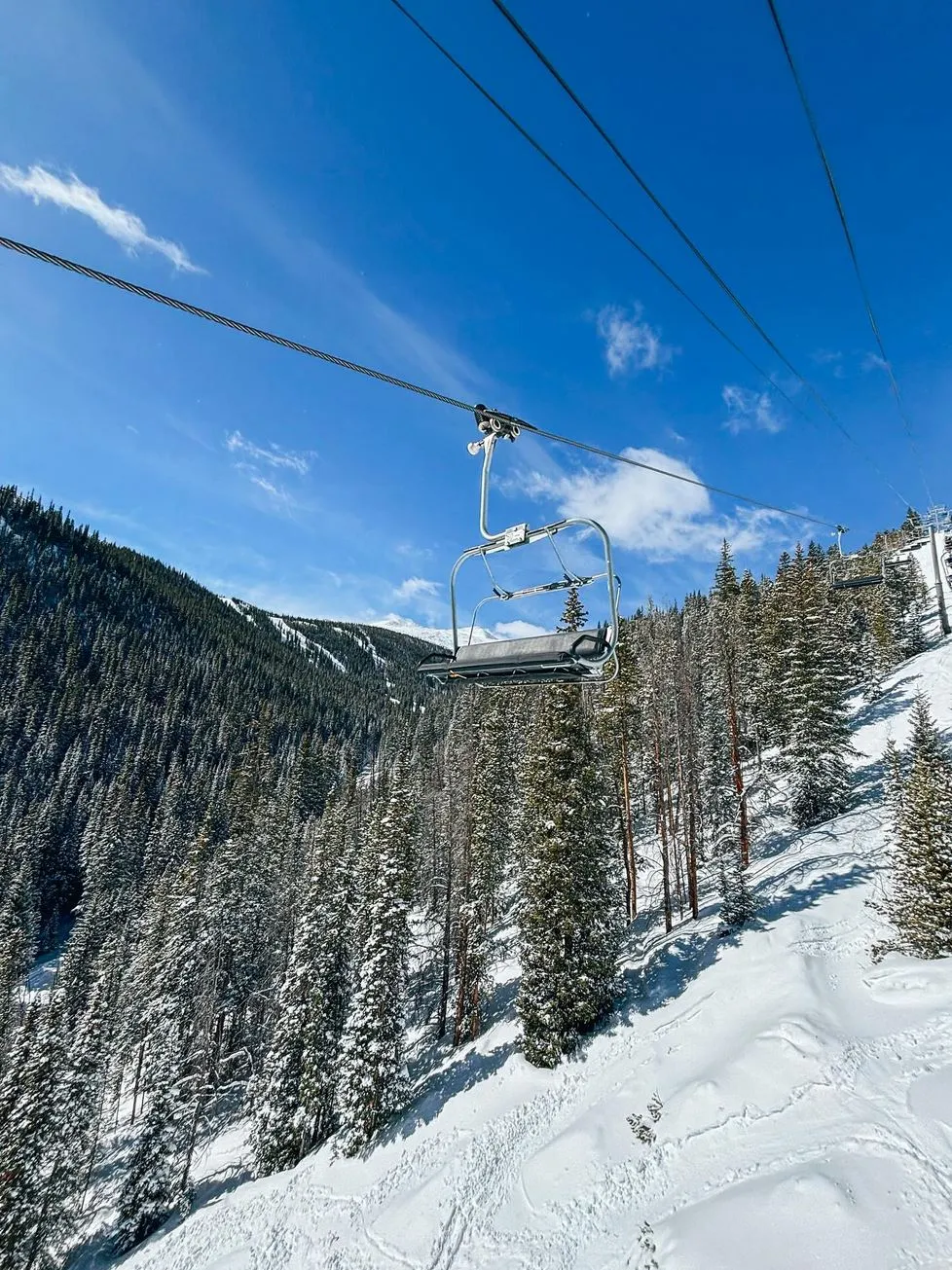
Skiing outside your ability is a fast track to major injury. Every ski resort, from Thredbo and Perisher in NSW to Mount Buller in Victoria, categorises trails by difficulty.
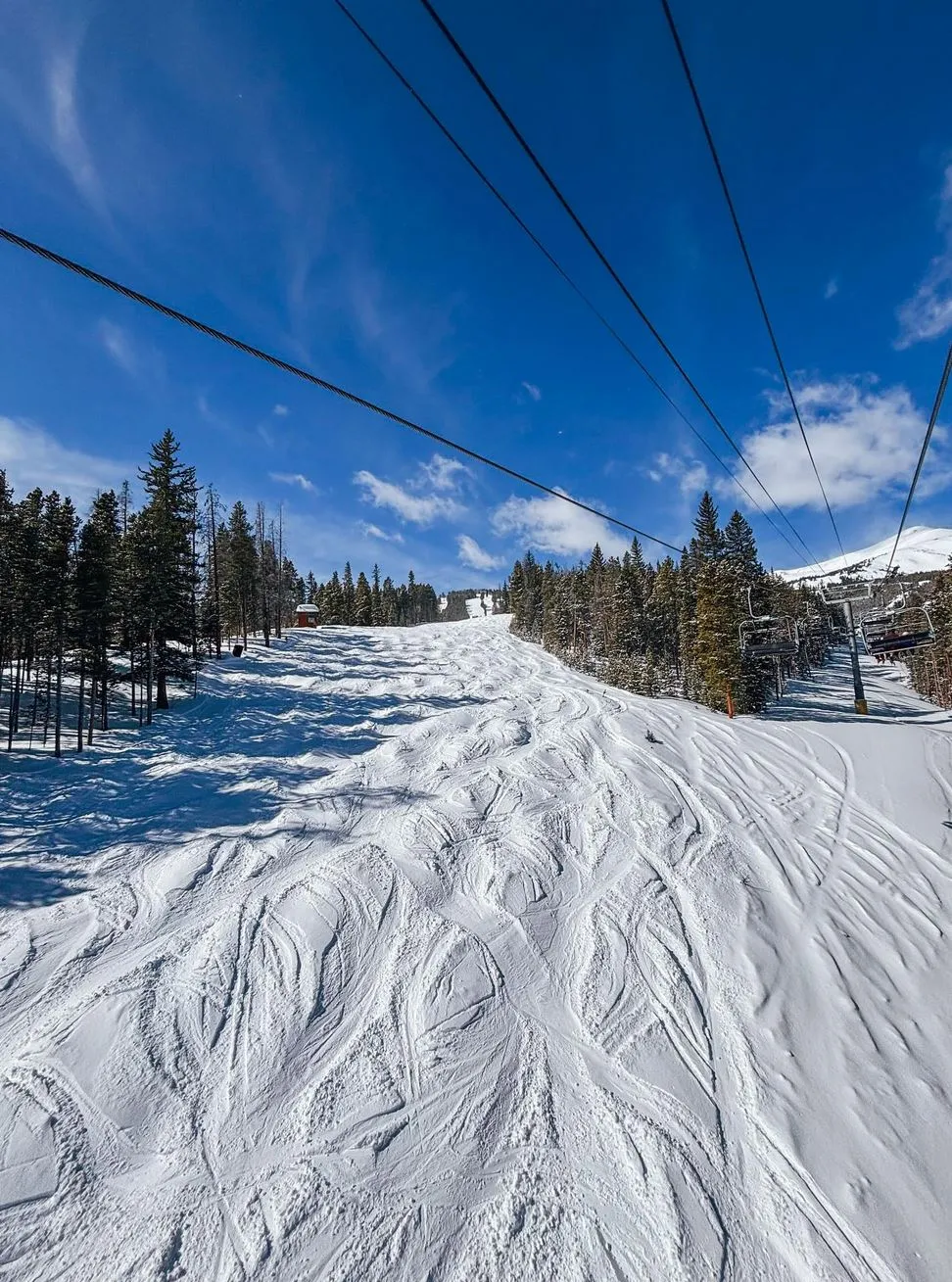
Stick to beginner slopes like the bunny slope, bunny hills, beginner trail, or carpet lift zones if you’re just starting. Work your way up through green runs, then blue, before attempting a black diamond trail. Trust me, there’s no shame in mastering the basic techniques and beginner techniques before chasing thrills. That’s part of becoming an avid skier.
For a smooth and safe experience, consider starting out with one of the beginner-friendly Mount Buller tours that include lessons, gear hire, and guided slope time.
4. Avoid Skiing Without Protective Gear
Never hit the slopes without proper protective gear. A helmet is essential—head injuries are common even on gentle slopes. Wrist guards, padded clothing, and knee supports can also minimise your risk of injury.
And remember the golden rule: your safety gear should fit snugly but not restrict movement. Consider wearing avalanche gear if you’re exploring steep slopes or backcountry terrain.
5. Avoid Ignoring Weather and Trail Conditions

The weather can change rapidly in alpine skiing environments. Skiing during a whiteout or on closed trails is not just irresponsible—it’s dangerous. Check the forecast daily and pay attention to warning signs at the resort.
If a trail is marked closed, don’t assume it’s a suggestion. It’s a warning that conditions are unsafe due to potential dangers like ice, rocks, or avalanche risk.
6. Avoid Neglecting Basic Skiing Etiquette
Responsible skiing means following the rules for skiing to keep everyone safe. Always look uphill before starting a run, yield to downhill skiers, and give ample space to nearby skiers.
Avoid stopping in the middle of a narrow ski slope and be courteous in lift lines. If you’re a slow skier or learning, stick to the edge of the slope where it’s easier for faster skiers to pass.
7. Avoid Alcohol Before or During Skiing
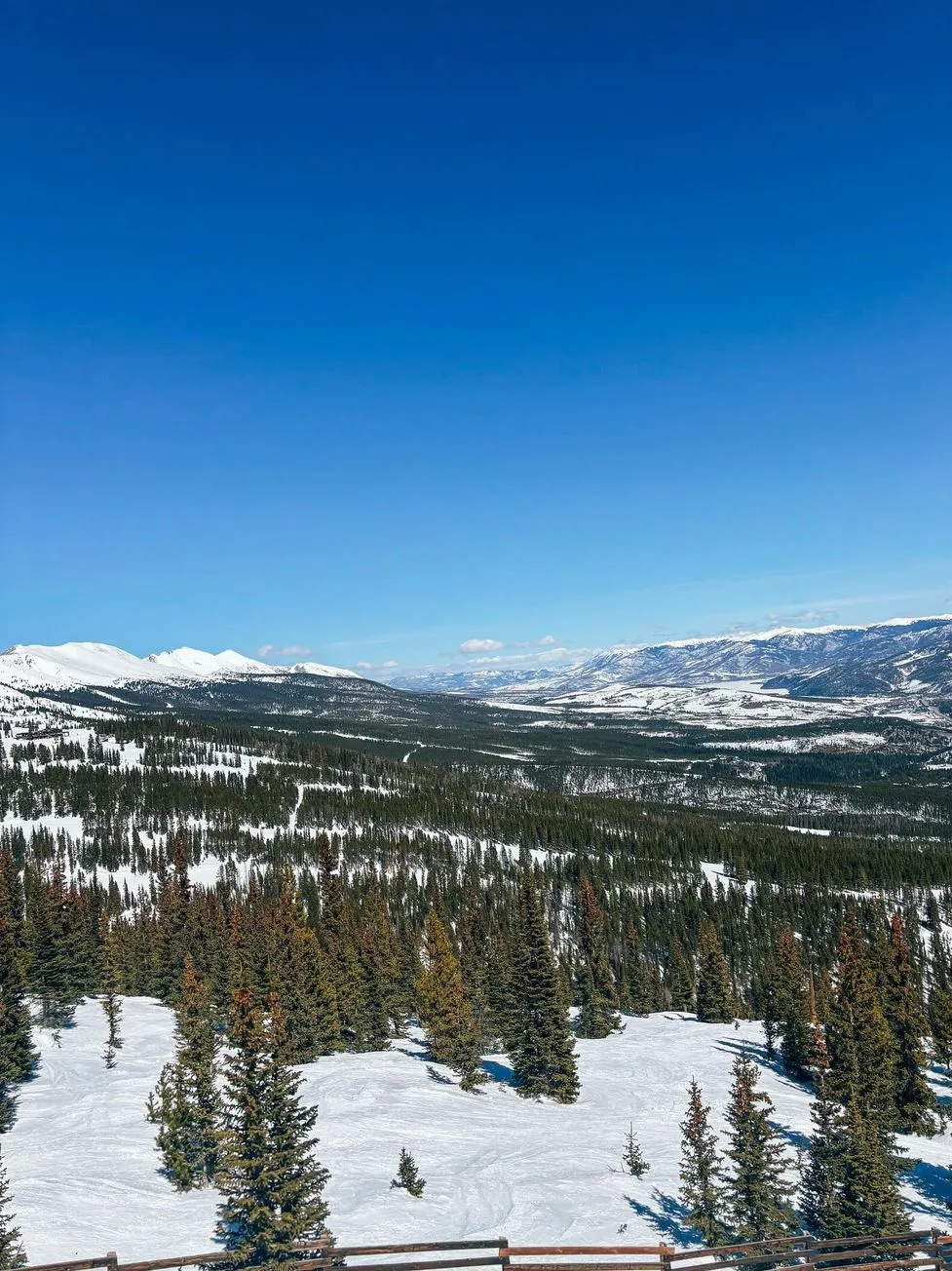
I get it—many Aussies love an après-ski beer. But drinking alcohol before exercise, especially one as intense as skiing, is a bad move. It impairs judgement, slows reaction times, and increases your risk of injury.
Celebrate your day after you’ve left the slopes. That’s the responsible skiing choice.
8. Avoid Poor Layering Choices
Skiing demands strategic layering. Start with a thermal base layer, add an additional layer for warmth, and finish with a waterproof outer layer to block wind and moisture.
If you’re too cold, your blood vessels constrict, reducing oxygen flow to blood cells and muscles. If you’re too hot, you’ll sweat and freeze later. Body after exercise can cool rapidly, so pack a dry change of clothes.
9. Avoid Ignoring the Importance of Lessons
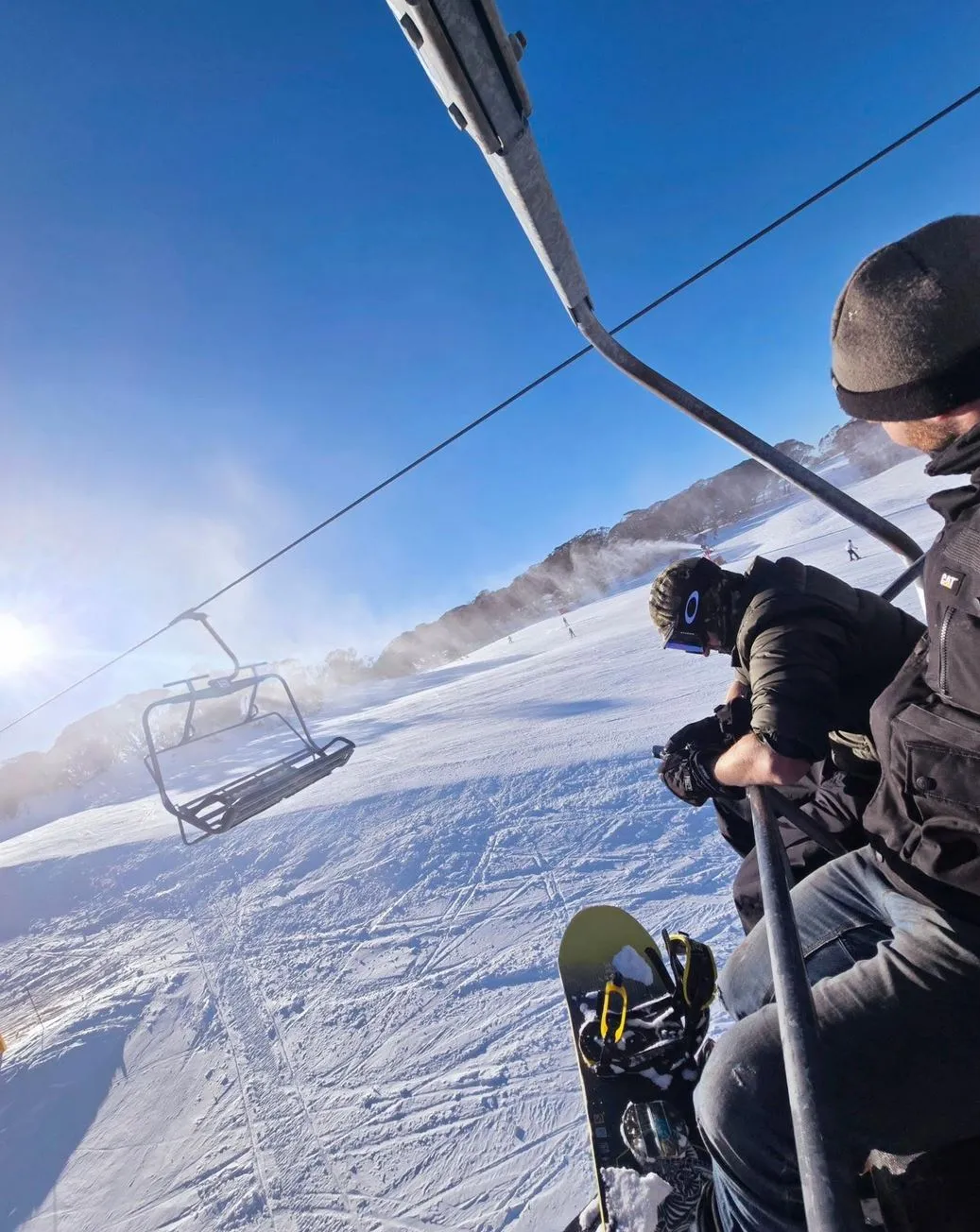
Even if you’ve skied before, a refresher with a professional can reinforce proper technique and help you shake bad habits. Ski instructors can also teach you how to read terrain, navigate ski lifts, and avoid potential dangers.
Resorts like Falls Creek and Hotham offer excellent ski schools. And if you’re booking snow trips Victoria, check if lessons are included—you’ll get more out of your ski holiday.
Mount Buller snow trips are especially popular with families and first-time skiers thanks to their well-organised packages and easy access from Melbourne.
10. Avoid Skiing Alone
While it may seem peaceful to glide through fresh powder solo, it’s a major risk if something goes wrong. Injuries, disorientation, or sudden weather changes can turn a solo adventure into a survival situation.
Ski with a buddy or at least let someone know your route and expected return time. Most ski resorts have tracking apps—use them.
Bonus: Plan Your Ski Trip Right
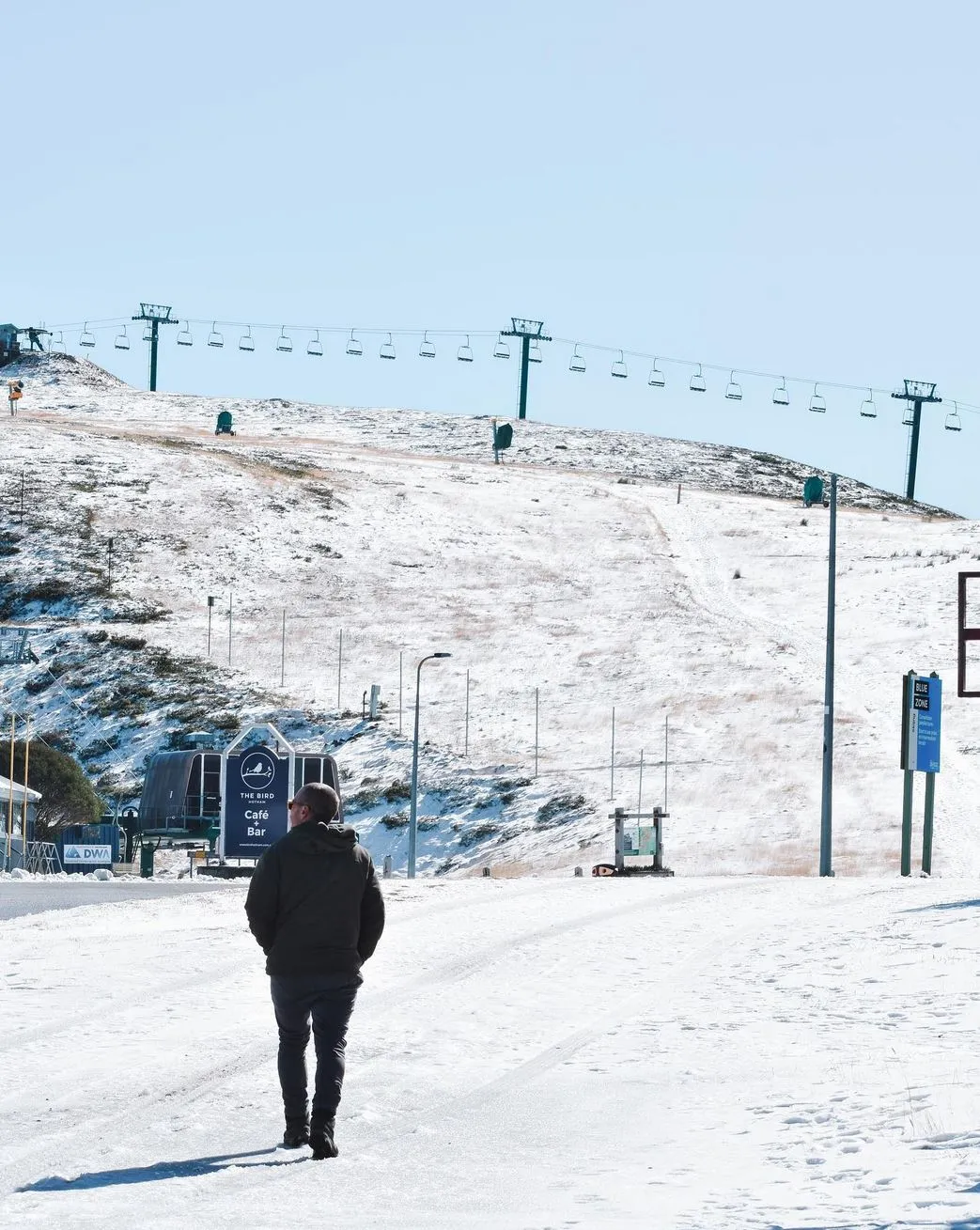
Whether you’re chasing powder in Victoria or heading overseas to New Zealand or Japan, planning is key. Consider:
- Skill level of everyone in your group
- Access to gear rental or purchase
- Nearby towns for off-slope fun
- Nearby tour destinations like Lake Mountain, Dinner Plain, or Mount Hotham
Book early to secure the best deals, especially during the peak winter season. Reputable companies like Autopia Tours offer seasonal ski holiday packages including transport, ski lift passes, and gear hire. Autopia Tours also runs beginner-friendly day trips from Melbourne, ideal for first-timers. If you’re more experienced, you might enjoy their alpine skiing excursions to advanced slopes.
For those based in Victoria, combine your skiing with a scenic road trip to Lake Mountain or Dinner Plain — both popular tour destinations featured in Autopia Tours itineraries.
Final Thoughts
Winter sports like skiing are some of the most thrilling adventures in the snow, but they demand respect. Avoiding these common pitfalls can mean the difference between a memorable trip and one that ends early due to injury.
Respect your limits, invest in lessons, gear up properly, and follow the rules. Do that, and your next ski season will be unforgettable.
Ready to hit the snow? Just remember what not to do, and you’ll ski safer, longer, and with more confidence.
For more trip tips, Aussie alpine guides, and seasonal deals, stay tuned to our travel blog!
FAQ
What should beginners avoid when skiing for the first time?
Avoid steep or advanced ski trails. Stick to beginner slopes, learn the basic rules, and don’t try to keep up with experienced skiers.
Why is ski boot fit so important?
A poor boot fit affects control, increases fatigue, and raises the chance of acute injury. Always get fitted by a pro.
Is it okay to ski while tired?
No. Muscle fatigue impairs balance and increases your risk of injury. Rest, hydrate, and pace your time skiing.
What should I wear for skiing?
Use a thermal base layer, warm middle layer, and waterproof outer layer. Don’t overdress—layer smartly for changing conditions.
Should I book a guided tour for my ski trip?
If you’re new or travelling without a car, yes. Guided Mount Buller snow day trips or packages from Autopia Tours simplify logistics and often include great extras.